A CRITICAL
WORKFORCE
SHORTAGE
Aviation and skilled trades are facing a critical workforce shortage made worse by long-standing barriers that limit who is encouraged, trained, and welcomed into these careers.
AN INDUSTRY
IN CRISIS
Workforce Shortages
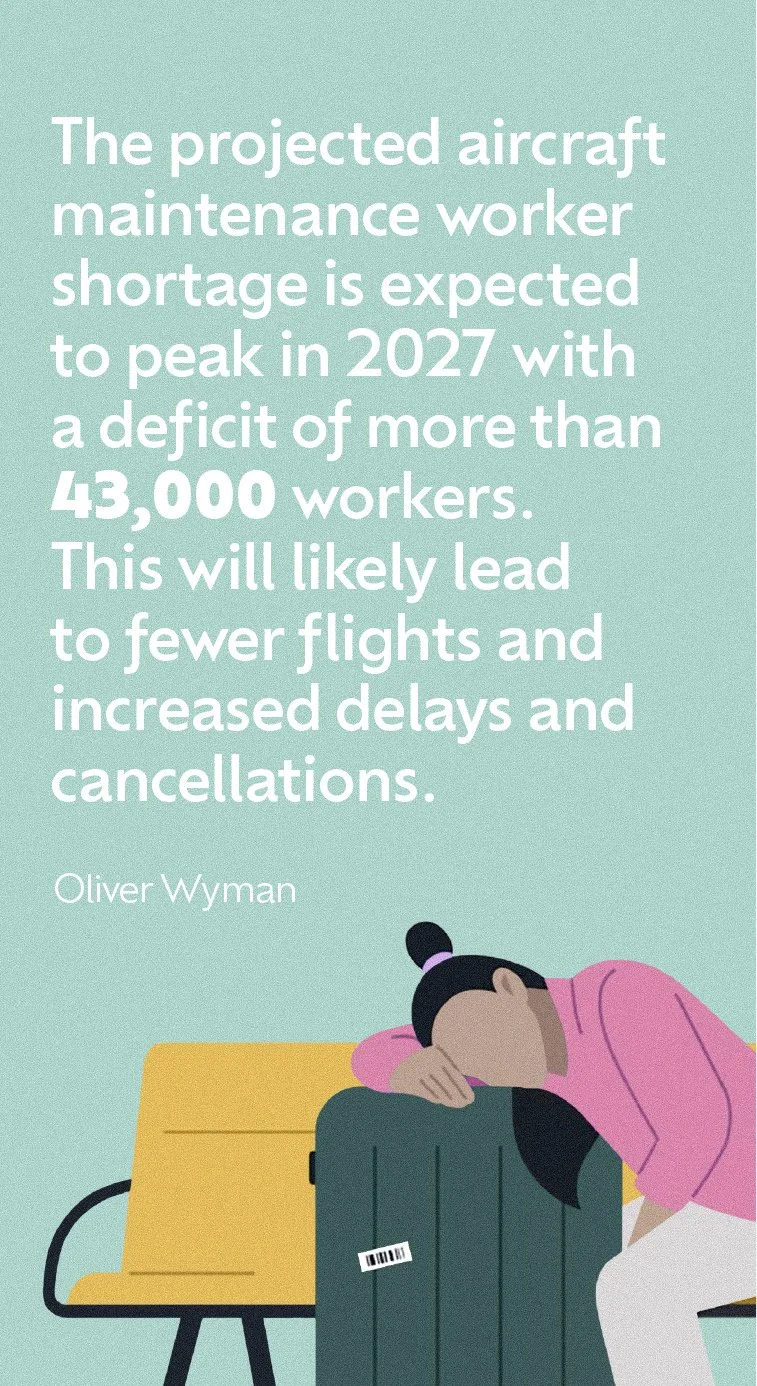
Aviation faces a growing workforce shortage. An aging workforce, retirements outpacing new entrants, and limited awareness of aviation careers are shrinking the pipeline of pilots, mechanics, and avionics technicians.
At the same time, aviation has historically drawn from a narrow slice of the population. When women and other talented individuals rarely see themselves reflected in these roles, the talent pool narrows long before hiring decisions are made.
Consequences
These shortages affect more than hiring. They place strain on maintenance teams, slow operations, and challenge the long-term resilience of the industry.
Without expanding who enters and stays in aviation, the gap between workforce demand and available talent will continue to widen.
Meeting an Urgent Demand
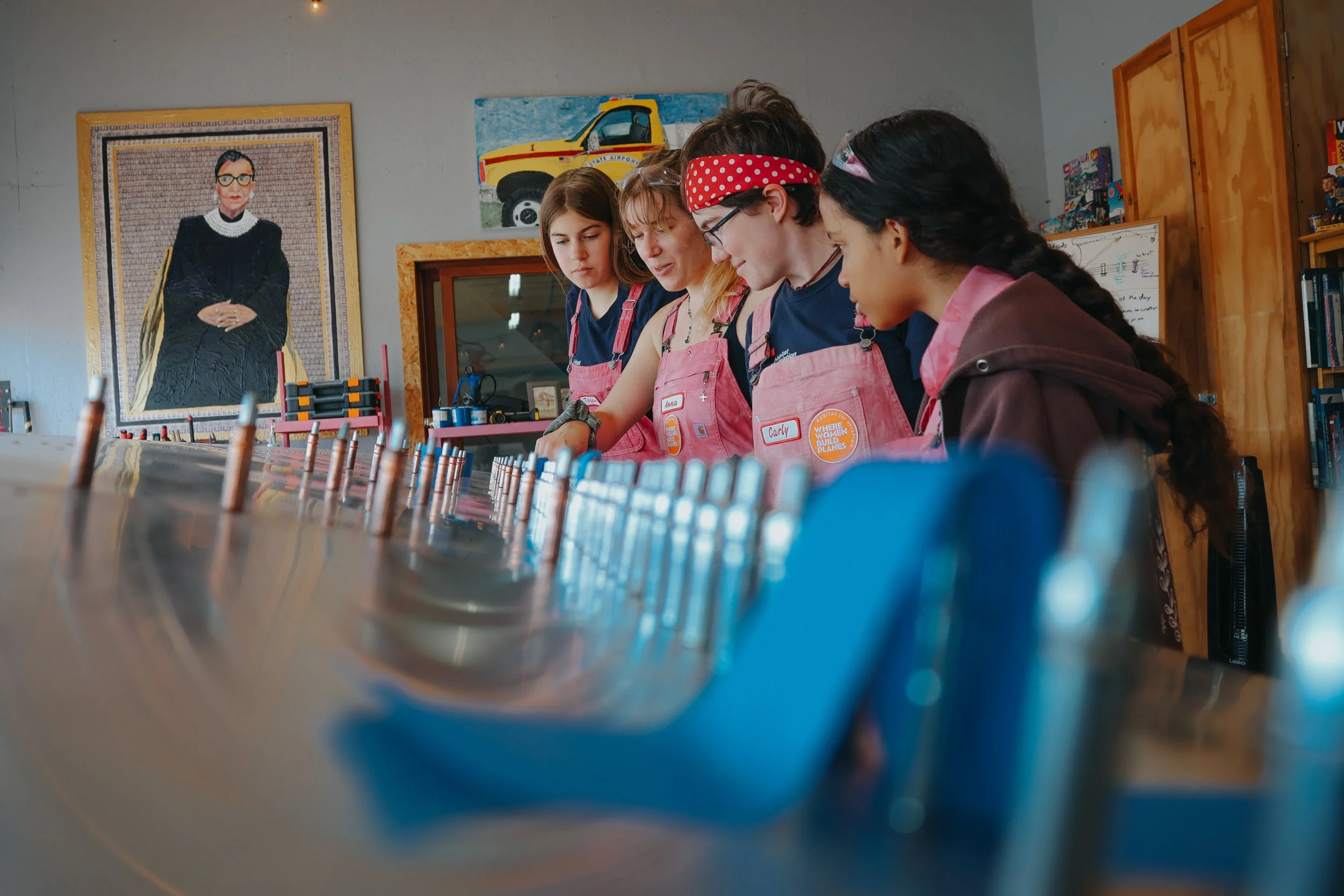
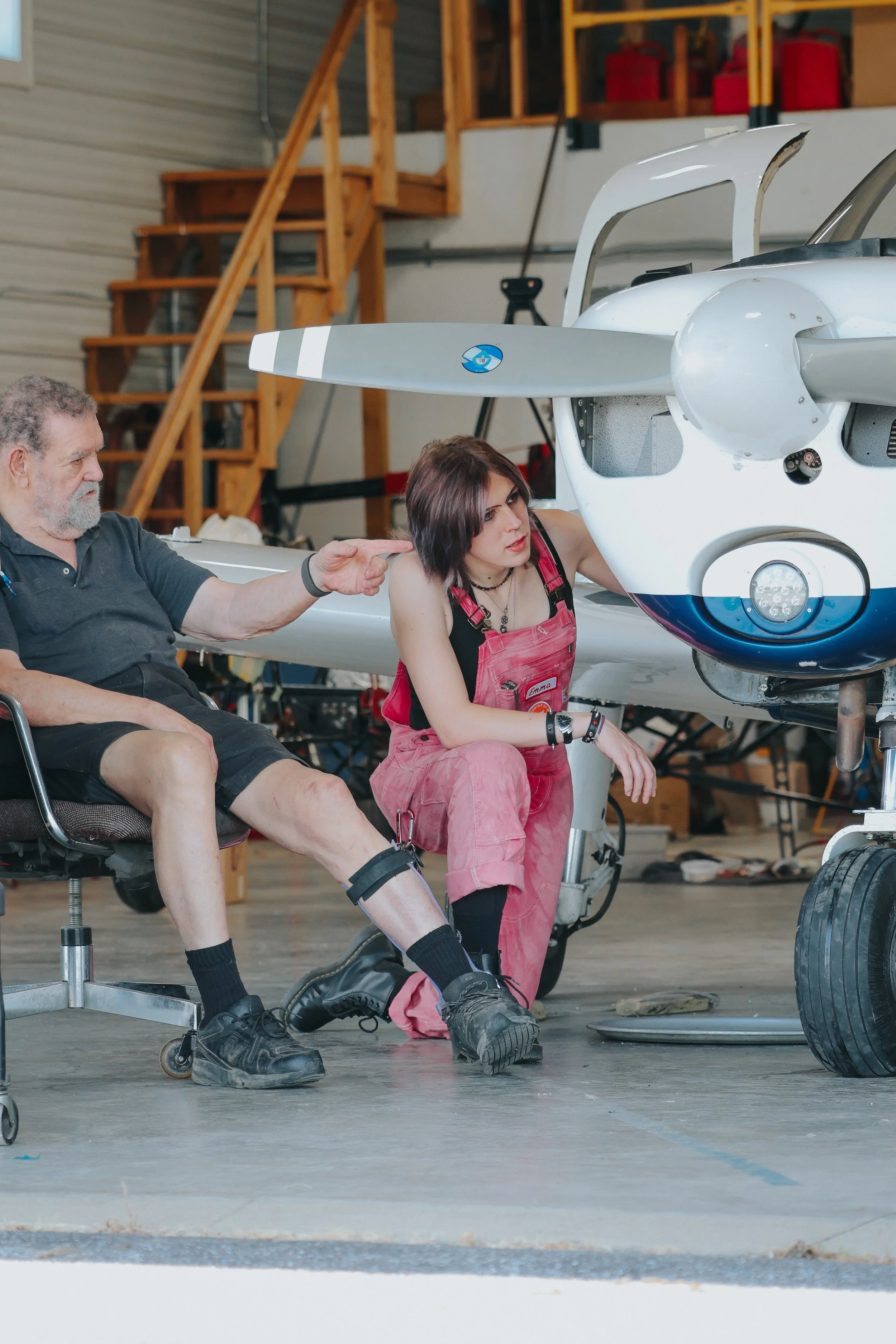
Habitat for Aviation responds by expanding who sees a place for themselves in aviation. Through hands-on apprenticeship, mentorship, and real work on real aircraft, participants gain skills, confidence, and clear pathways into the field.
By widening access and cultivating belonging, we help grow the workforce aviation urgently needs.

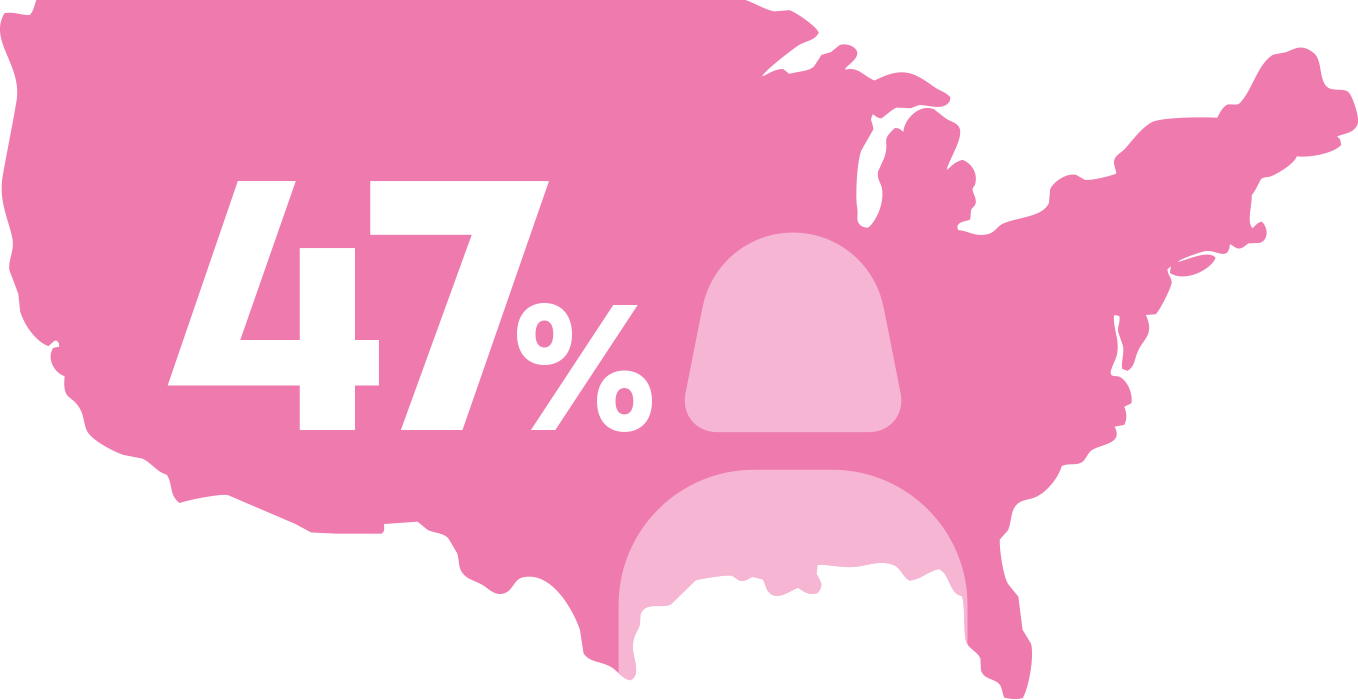
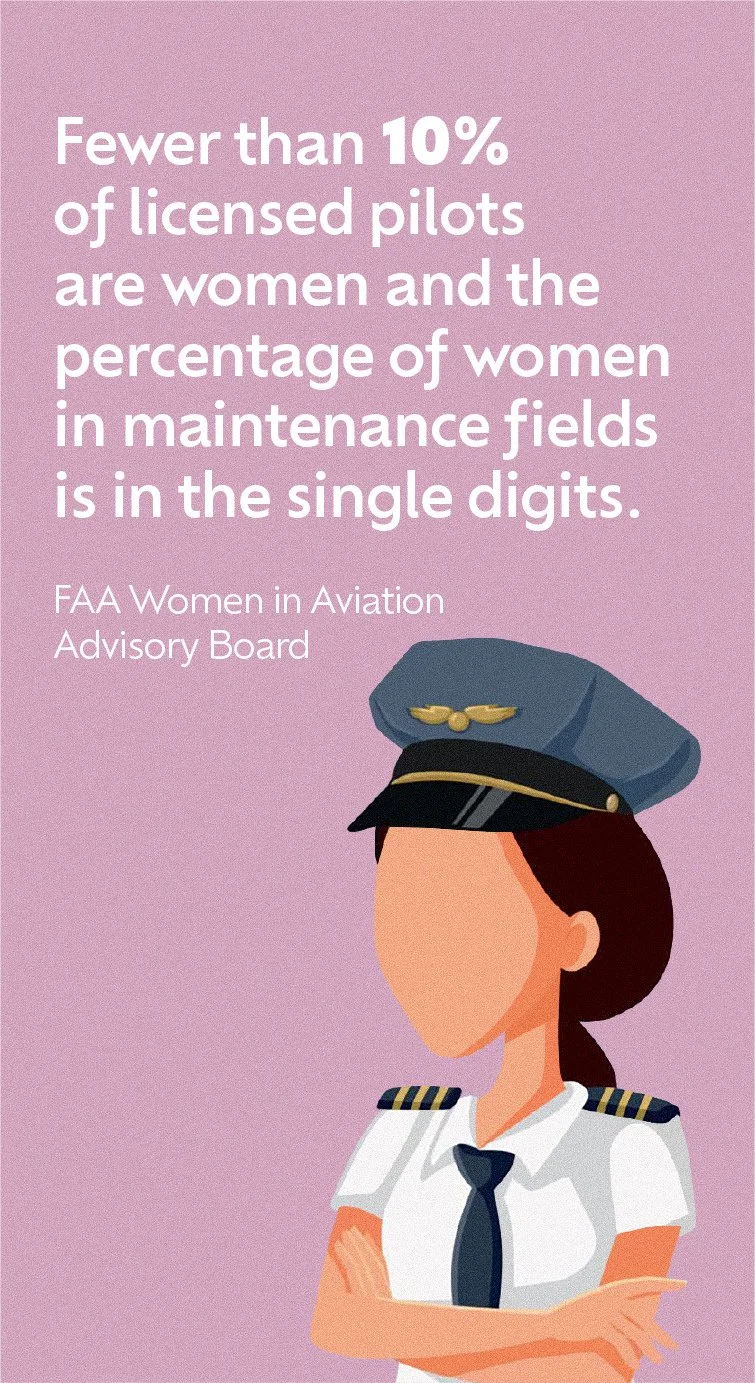
THE CONTRIBUTION WOMEN MAKE TO THE WORKFORCE OF THE UNITED STATES
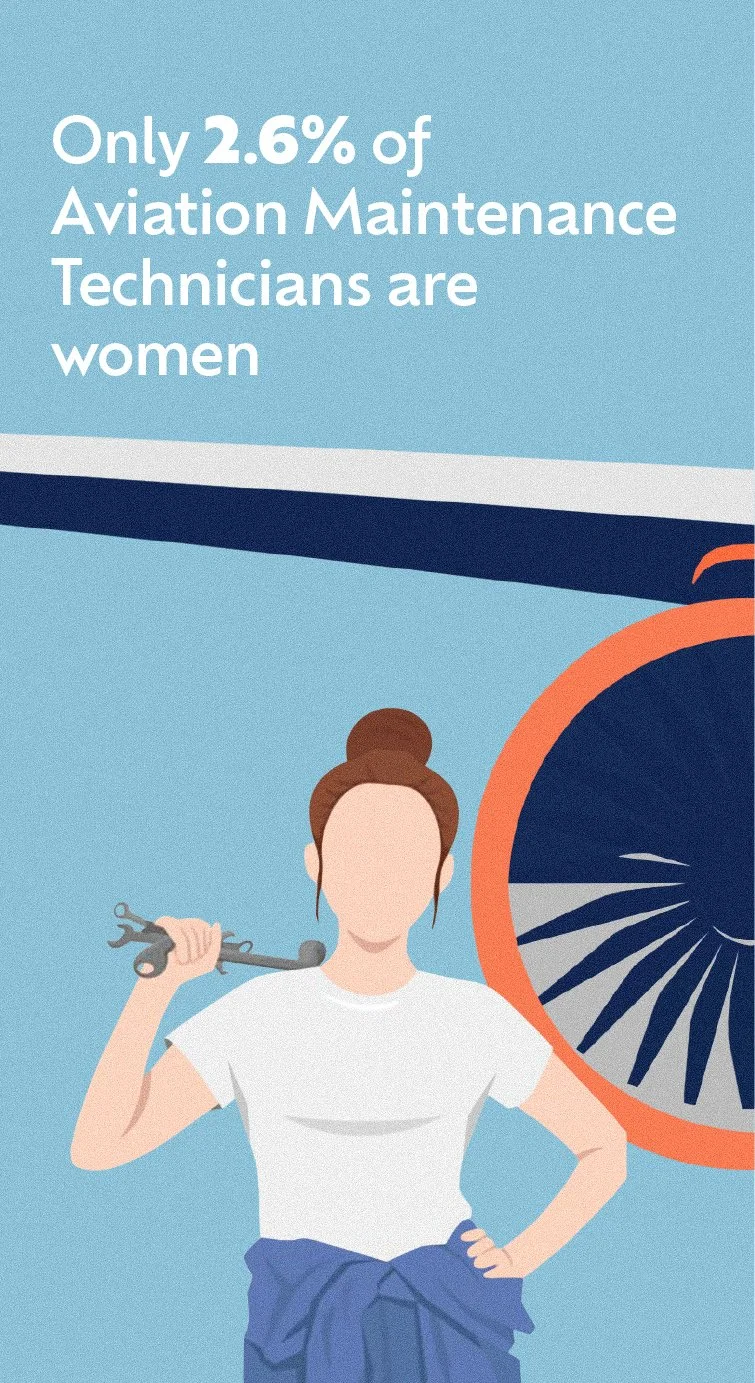
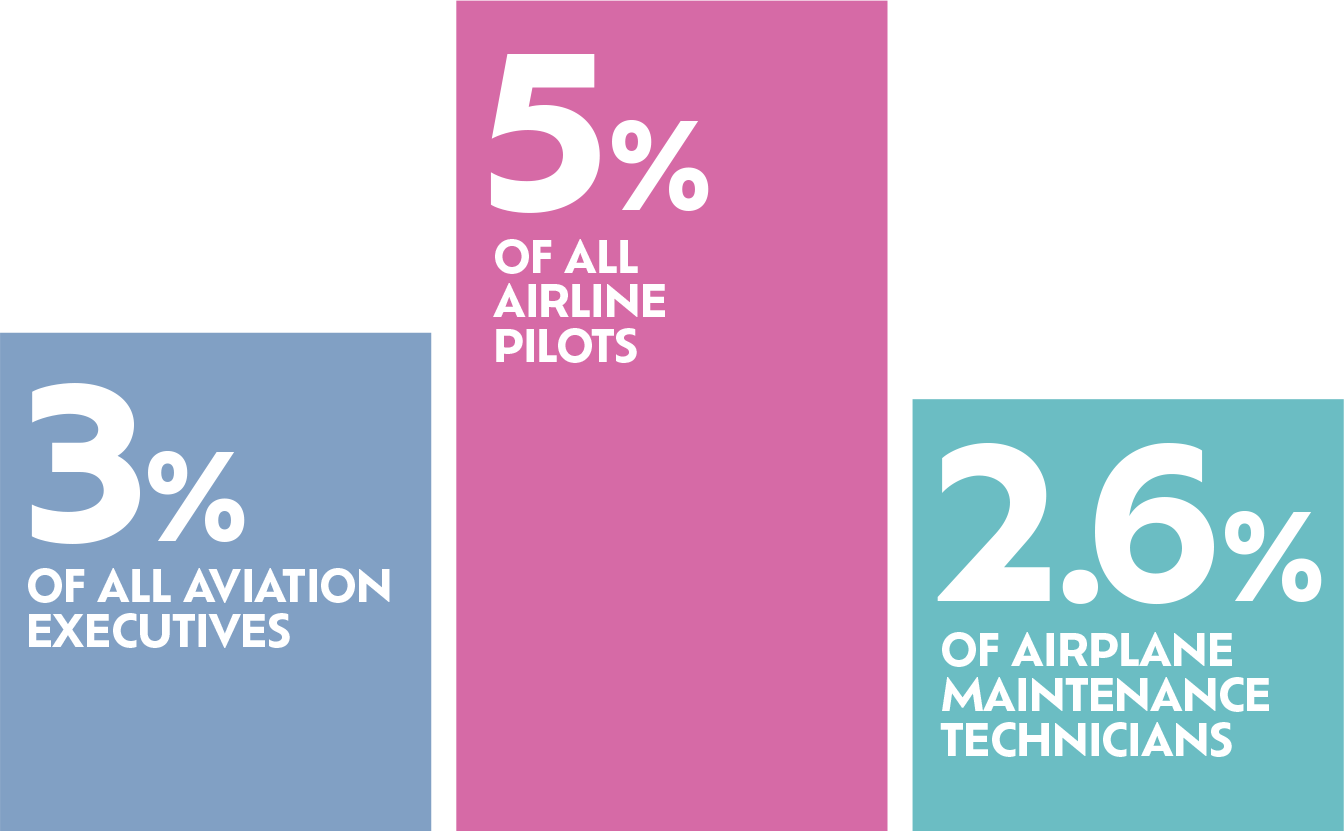
YET WOMEN
ONLY MAKE UP:
THE CHALLENGES
WE ARE
ADDRESSING
The aviation workforce faces an urgent, interconnected set of challenges: an aging workforce, retirements outpacing new entrants, and persistent gender and access gaps threaten the resilience, safety, and sustainability of the industry. While technical training matters, the deeper barriers are cultural, narrative, and structural, and shape who sees themselves in aviation long before hiring decisions are made.
Even when women enter technical fields, workplace conditions shape whether they stay. National research shows that women experience uneven access to sponsorship, advancement, and manager support. Culture, not just training, determines who thrives and persists in the industry (LeanIn.Org & McKinsey, 2025).
Habitat for Aviation focuses on four primary barriers that limit entry, advancement, and retention in aviation and skilled trades.
FOUR EXISTING
BARRIERS
Narrow Narratives About Who Belongs


The dominant image of pilots, mechanics, and aviation leaders remains narrow and outdated. These are often male, unattached to caregiving, and disconnected from the lived realities of many families. Girls, caregivers, educators, and even employers rarely see women and other historically underrepresented people performing this work in visible, credible ways.
In Vermont, women earn $9,000 less annually than men, and the wage gap persists across every level of education. When girls do not see themselves in high-wage technical fields, the gap widens across a lifetime (Vermont Women’s Fund Mini-Report 2026).
Research shows that early exposure and representation strongly influence career identity and self-efficacy, particularly in technical fields. When young people do not see themselves reflected, aviation remains “outside the frame,” regardless of interest or ability (Lent et al., 2002; Eccles, 2011; FAA, 2022).
Biased Attitudes & Internalized Doubt

Biased attitudes, both external and internal, shape expectations long before individuals reach a hangar or flight deck. Many girls arrive saying, “I could never do this,” having absorbed years of subtle signals about who is expected to lead, fix, or fly. Families often express surprise when they witness their daughters welding, riveting, leading teams, or flying solo.
These low expectations influence course selection, counseling, hiring, and promotion. Research confirms that women who demonstrate leadership or technical competence are often evaluated differently, reinforcing barriers even when skills are present (Allan & Madden, 2006).
Limited Public Awareness of
Both the Crisis & the Solutions

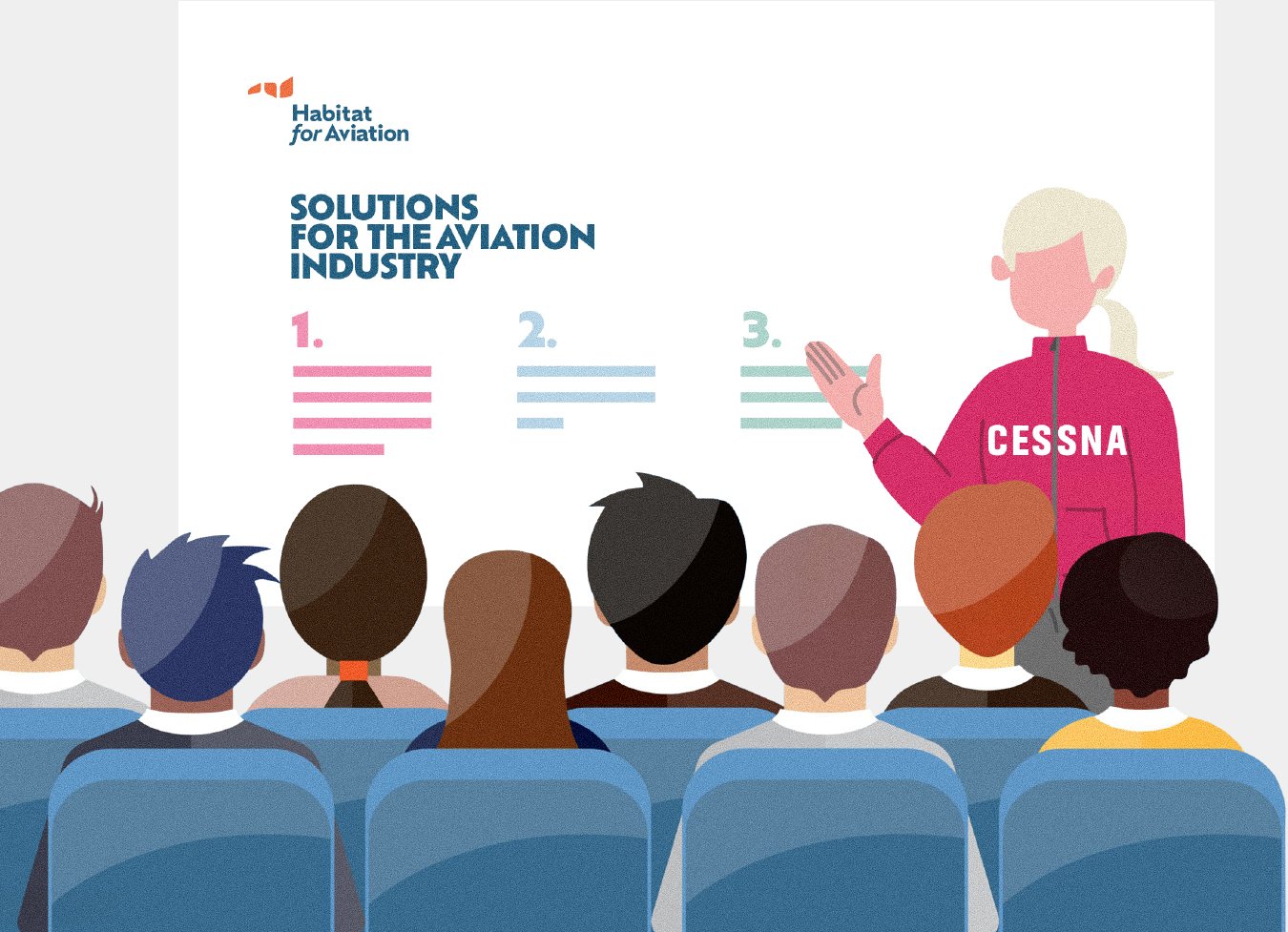
Most people remain unaware of the looming aviation maintenance and technician shortage or of the innovative, community-based models that already exist to address it. The crisis is real, but so are the solutions.
What’s missing is visibility.
With amplification, promising approaches scale and communities realize that hands-on, mentored, real-world learning can grow both workforce capacity and belonging at the same time (Stanford Social Innovation Review, 2020).
Zero-Sum Assumptions About Opportunity


Too often, women’s advancement is framed as someone else’s loss. This zero-sum thinking slows progress and fuels resistance. Research and practice show the opposite: when women and historically underrepresented individuals enter and contribute to technical fields, teams become stronger, safer, and more resilient.
Expanding access to aviation is not about redistributing limited opportunity, it is about strengthening an industry while addressing structural wage inequities that affect women across education levels and career stages (Vermont Women’s Fund Mini-Report 2026).
When access expands, everyone benefits. The challenge lies in shifting both mindset and structure to reflect this truth.
WHY THESE BARRIERS MATTER
These barriers reinforce one another. Narrow narratives feed biased attitudes. Biased attitudes suppress awareness. Limited awareness sustains zero-sum thinking. To lead to lasting change we must address these and other barriers.
Habitat for Aviation names these barriers so they can be addressed intentionally and externally. Our work draws on research from the FAA Women in Aviation Advisory Board, Women in Aviation International, Big Picture Learning, the Harbor Freight Fellows Initiative, and foundational studies on career development, representation, and real-world learning.