

Casey Raymond Apprentices with George
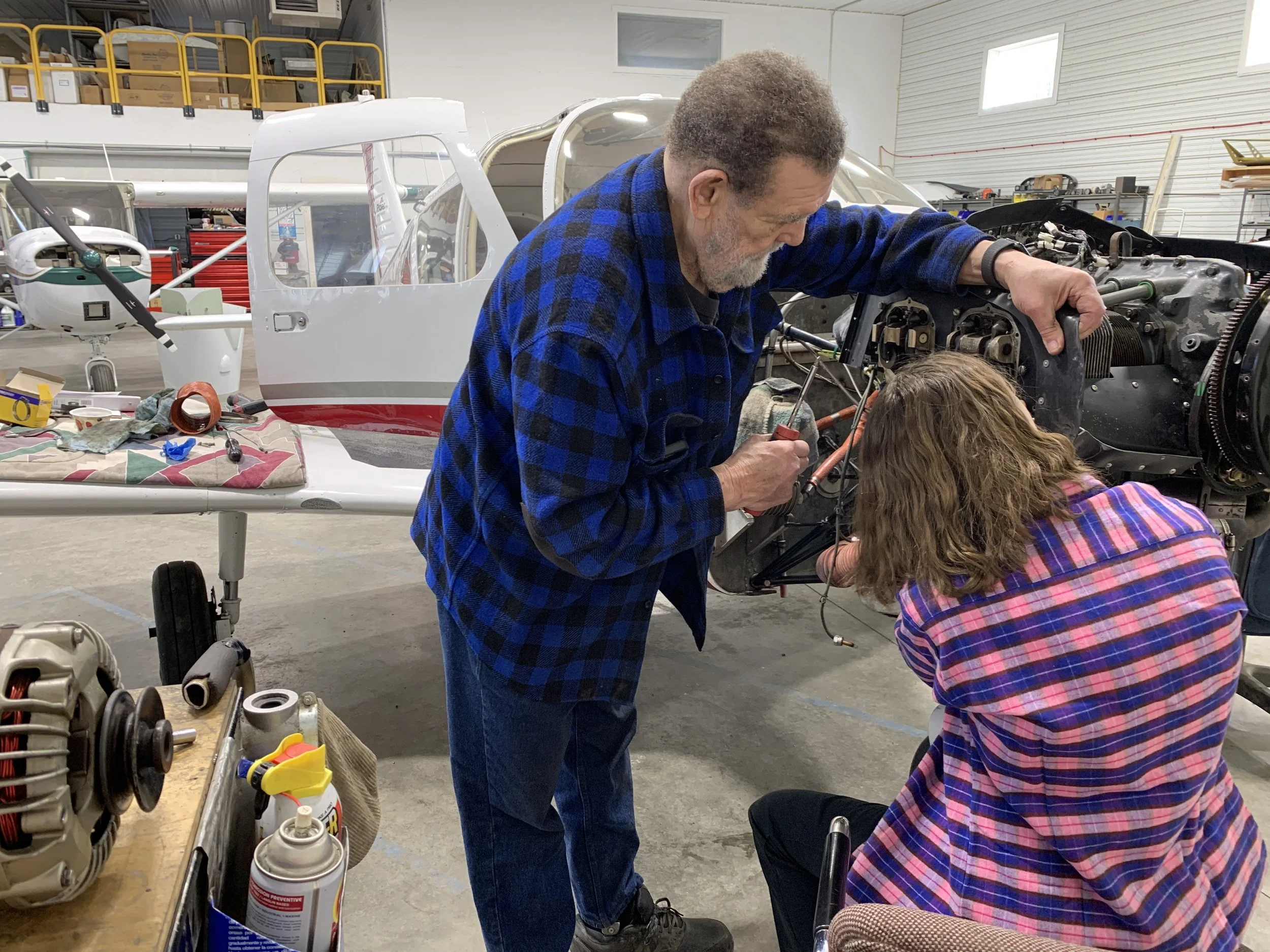
We were honored to host Casey Raymond for a week at Habitat for Aviation, where she came to apprentice alongside George Coy and deepen the kind of hands-on learning that is still far too rare in many aviation maintenance programs. Casey graduates in May from the University of Maine at Augusta with a remarkable dual qualification: a Bachelor of Science in Aviation alongside an Aviation Maintenance Technician School certificate. That combination is uncommon and says a great deal about who Casey is. She is a pilot, a builder, a leader, and someone who has already met real obstacles with determination. A Ninety-Nines award recipient, Casey has also navigated the challenges of a Type 1 diabetes diagnosis that once temporarily grounded her, only to return stronger and more committed than ever to aviation.
What made her week with George especially meaningful was the kind of work she got to do. Casey came from a program with very limited hands-on opportunities and no real chance to work on airplanes that would actually go back into service. Here, that changed. Over the course of the week, she jumped into the real rhythm of the shop—first, she helped removed the rings in the cylinders from the airplane, they cleaned the pistons gap the rings, reinstalled them on the pistons, and reinstalled the cylinder on the engine before attaching the baffling. She also got a tour of a fellow aviator-mechanic’s Pietenpol, which felt like the kind of experiences that belongs in a good apprenticeship: real people, real airplanes, real connections.
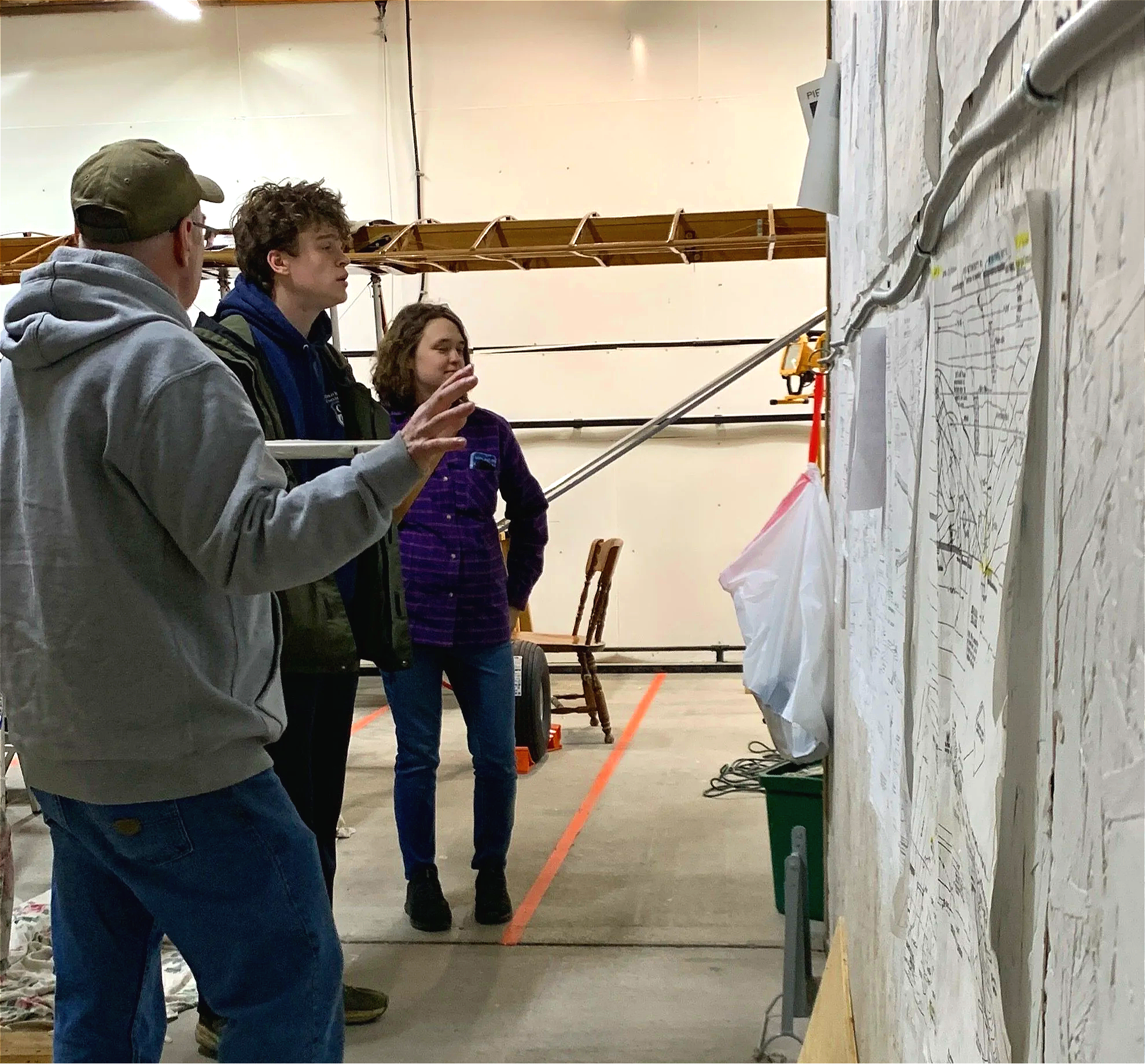
Casey has already built an extraordinary path for herself. From her first discovery flight in high school, to co-founding a flight school, to mentoring youth at aviation camps, to chairing the Katahdin Wings Chapter of the Ninety-Nines at just 20 years old. We loved having her here. Watching Casey work reminded us, once again, how important it is to give young people access not only to credentials, but to meaningful practice, trusted mentors, and real responsibility. She is exactly the kind of person aviation needs more of, and we cannot wait to see where she flies—and what she fixes—next.
